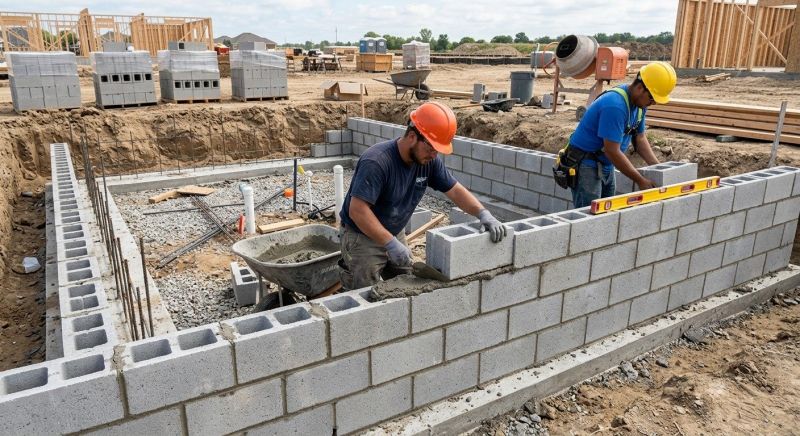
Block Wall Installation in Fairfield County, CT
Block wall installation services involve constructing durable and attractive walls using concrete blocks or similar materials. These walls are commonly used to define property boundaries, create retaining walls, or enhance privacy and security around residential yards. Projects can range from simple garden borders to more complex structures that support landscaping or prevent soil erosion. Homeowners often seek this service to improve their property's appearance, increase privacy, or address specific structural needs, making it important to understand the different types of block walls available and their suitability for the intended purpose.
Before requesting block wall installation, property owners should consider factors such as the purpose of the wall, desired height, and aesthetic preferences. It’s also helpful to understand local regulations or permits that may apply to wall construction, especially for taller or load-bearing structures. Proper planning includes assessing soil conditions, drainage needs, and the overall layout of the property to ensure the wall's stability and longevity. Clear communication about project goals and site conditions can help ensure the finished wall meets expectations and functions effectively for years to come.
Many property owners in Fairfield County, CT look into Block Wall Installation for repairs, replacements, upgrades, and appearance-related improvements.
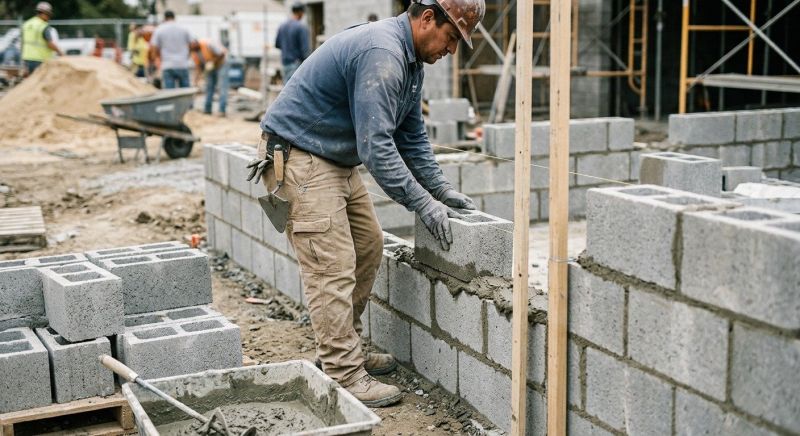
Enhancing Property Boundaries
Block walls provide a durable and attractive way to define property lines and improve privacy.
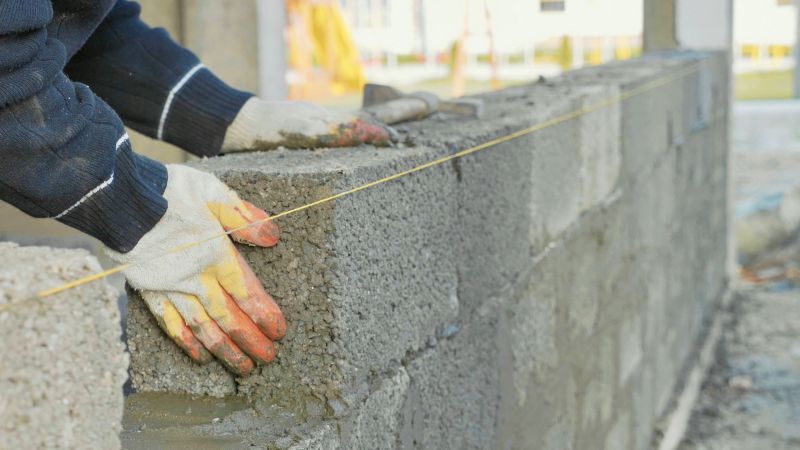
Creating Functional Spaces
Installing block walls can help create outdoor seating areas, garden enclosures, or retaining walls for landscaping.
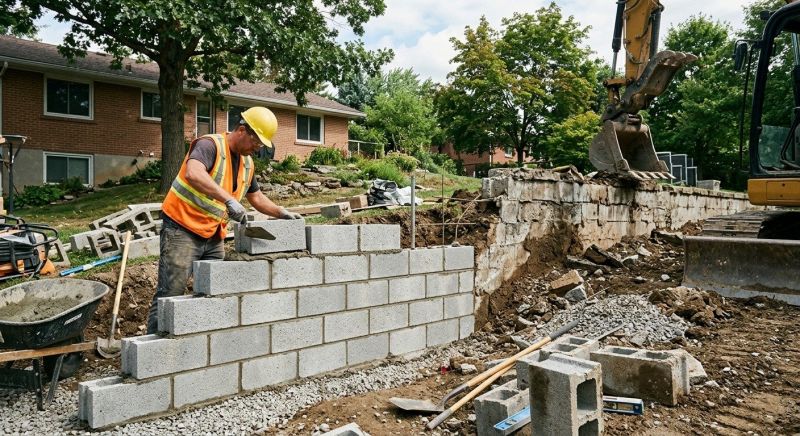
Increasing Property Security
A sturdy block wall can serve as a barrier to enhance security and keep unwanted visitors out of your property.
Block Wall Installation in Fairfield County, CT
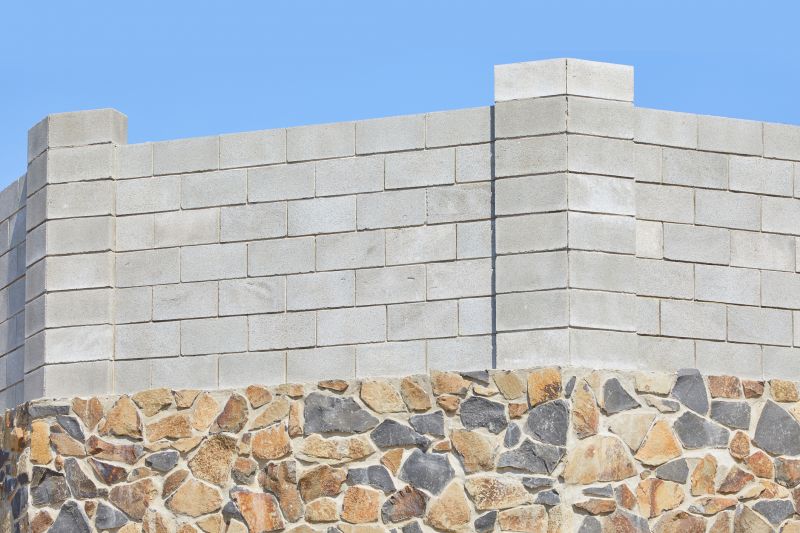
Block wall installation services involve constructing durable and attractive walls using concrete blocks or similar materials. These walls are commonly used to define property boundaries, create retaining walls, or enhance privacy and security around residential yards. Projects can range from simple garden borders to more complex structures that support landscaping or prevent soil erosion. Homeowners often seek this service to improve their property's appearance, increase privacy, or address specific structural needs, making it important to understand the different types of block walls available and their suitability for the intended purpose.
Before requesting block wall installation, property owners should consider factors such as the purpose of the wall, desired height, and aesthetic preferences. It’s also helpful to understand local regulations or permits that may apply to wall construction, especially for taller or load-bearing structures. Proper planning includes assessing soil conditions, drainage needs, and the overall layout of the property to ensure the wall's stability and longevity. Clear communication about project goals and site conditions can help ensure the finished wall meets expectations and functions effectively for years to come.
Many property owners in Fairfield County, CT look into Block Wall Installation for repairs, replacements, upgrades, and appearance-related improvements.
Common Block Wall Installation Jobs
Residential property boundaries - block walls define clear and durable property lines for homes.
Garden and landscape borders - enhance outdoor aesthetics with sturdy garden enclosures.
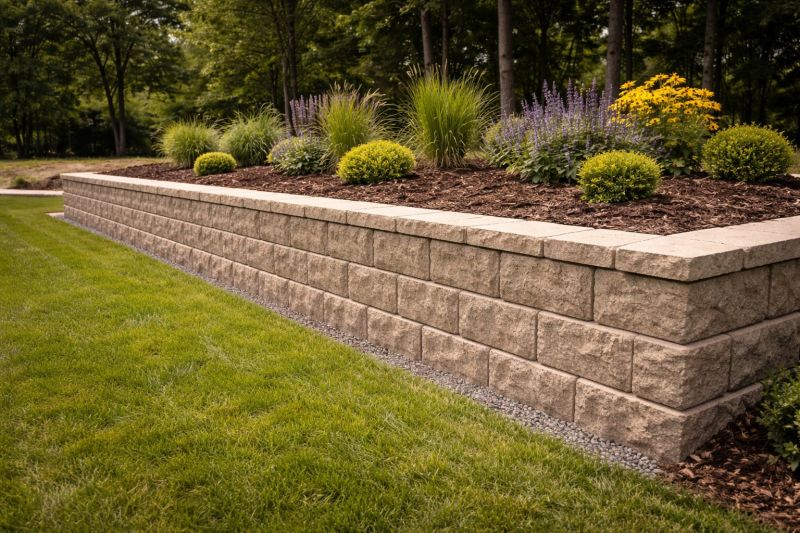
Retaining walls - support soil and prevent erosion on sloped or uneven terrain.
Privacy barriers - create secluded outdoor spaces for relaxation and security.
Commercial fencing - secure business premises with long-lasting, solid block walls.
Custom decorative walls - add visual interest and character to outdoor living areas.
Block Wall Installation Questions
What types of projects are suitable for block wall installation? Block walls are ideal for creating retaining walls, property boundaries, privacy enclosures, and decorative features around a property.
How long does a typical block wall installation take? The duration depends on the size and complexity of the project, but block walls generally require several days to complete.
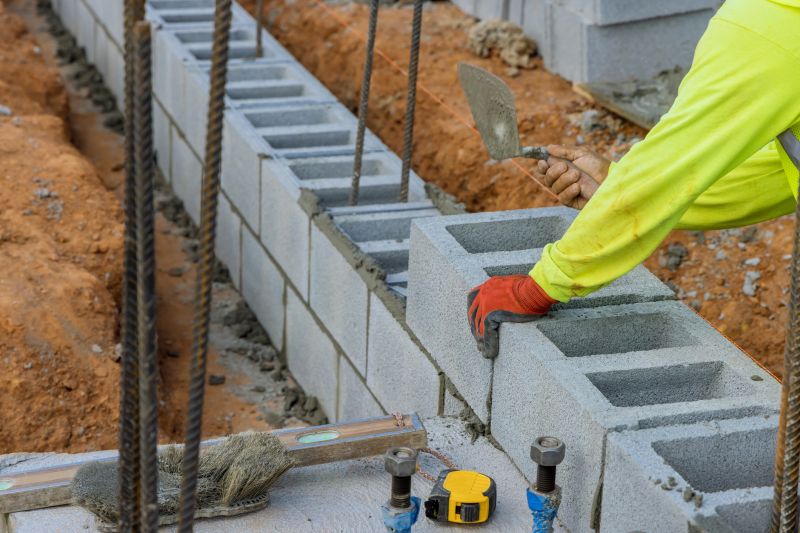
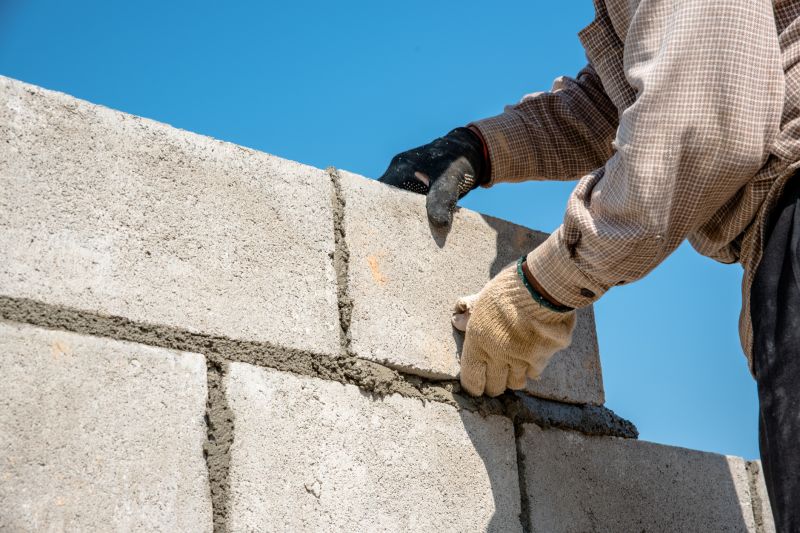
What are common materials used for block walls? Concrete blocks are the most common, often combined with mortar for stability and sometimes finished with decorative veneers.
What should property owners consider before installing a block wall? It’s important to evaluate the purpose, desired height, and location of the wall, as well as any local regulations or permits required.
Request Block Wall Installation in Fairfield County, CT
Use the quote form on this page to share the basics of your project and request more information for the type of work you need.